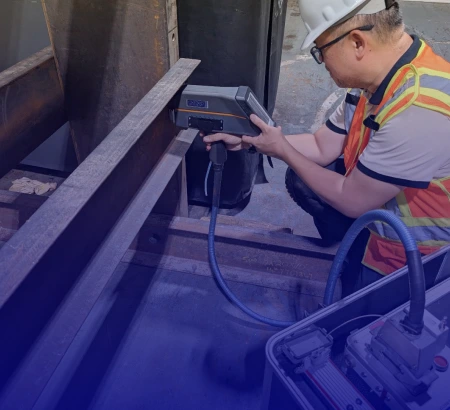
Construction inspection management encompasses the coordination, supervision, and oversight of construction activities, ensuring that they align with approved plans, regulations, and industry best practices.
View More

Through techniques such as spectroscopy, chromatography, and titration, chemists can identify elements, compounds, and trace contaminants. This knowledge is indispensable for ensuring the purity, consistency, and compliance of materials used in production processes.
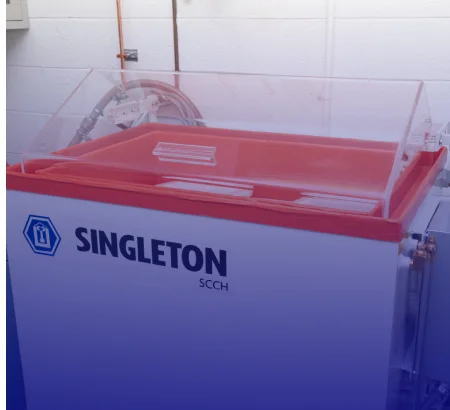
Corrosion testing provides us with valuable information that can be very helpful in preventing costly damage or premature failure of components and...
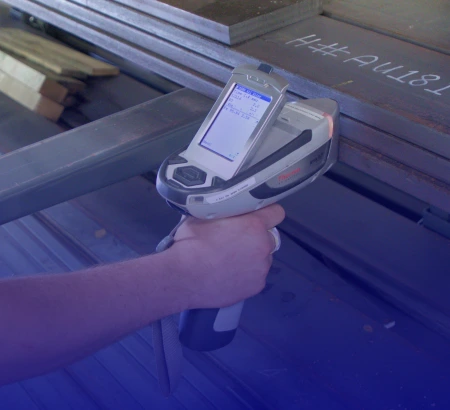
X-ray Fluorescence testing is a non-destructive method of determining the elements present in a metal or alloy. This process is accomplished by...
Inhomogeneity of materials can affect and change the material composition and its properties.
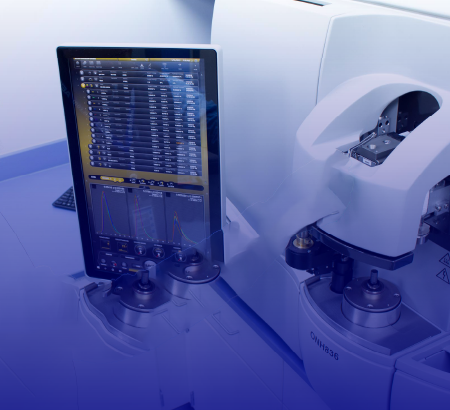
Optical Emission Spectroscopy (OES) is a well trusted and widely used analytical technique used to determine the elemental composition of a broad...
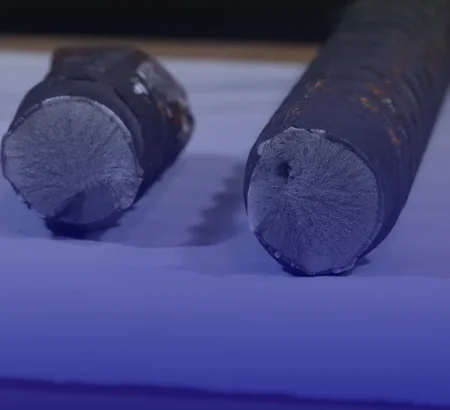
Metal materials are investigated in terms of corrosion, failure analysis, mechanical, metallurgical, chemical, and environmental factors.
Material composition is critical to a material’s machinability, durability and stability in its intended use.
Scanning Electron Microscopy (SEM) analysis is an analytical technique used to produce high resolution images to analyze a wide range of materials...
Documentation demonstrating all the variables employed in the welding test as well as the documented inspection and test results is typically required...
AEIS’ weld integrity lab focuses on the assessment, validation, and enhancement of weld quality and integrity.
Heat treatment is a process of heating and cooling metals under controlled conditions to improve its properties and performance based on its...
Design Credits: Addictive Media